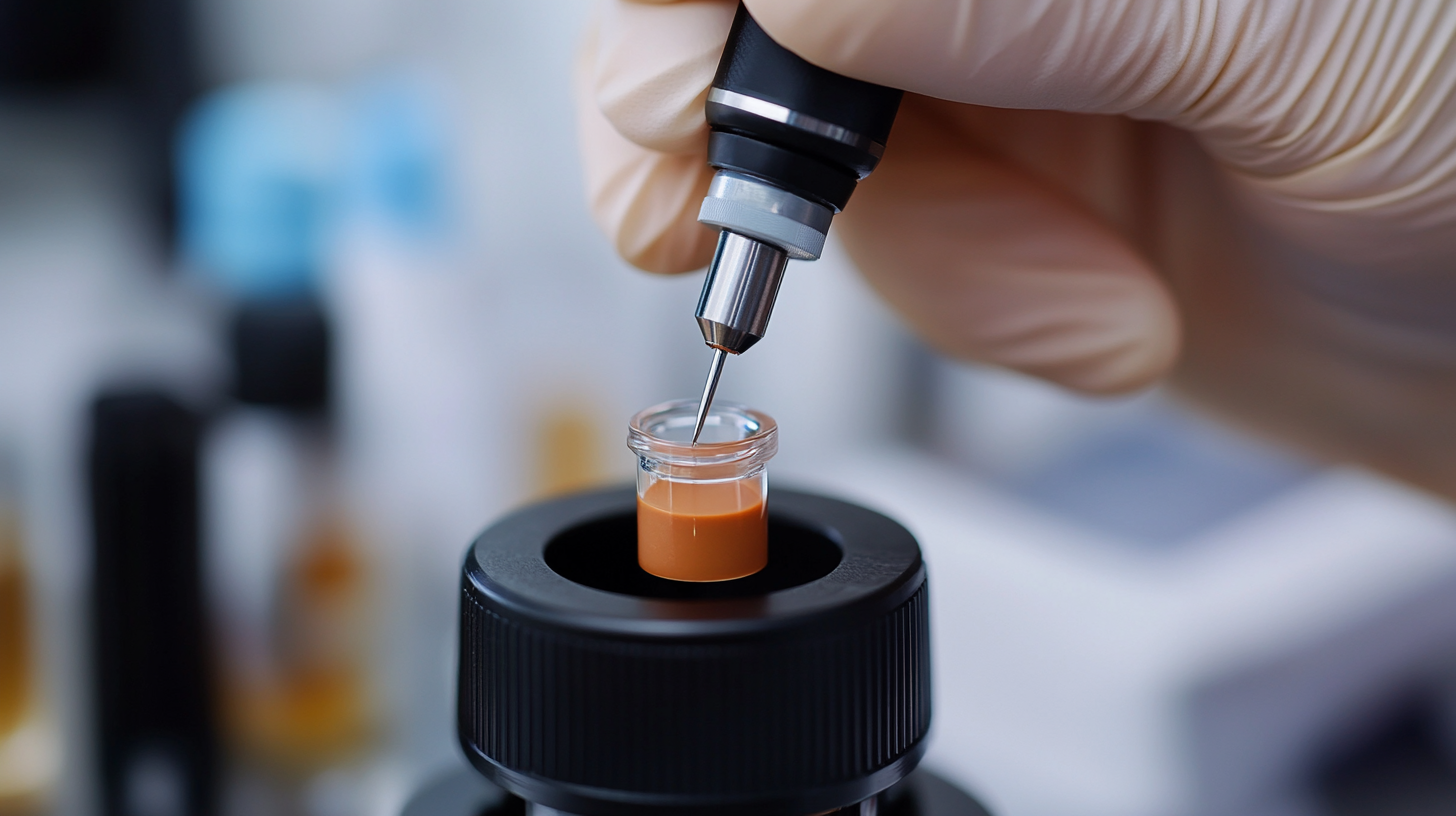
Areola Repigmentation
Gentle color restoration for faded, uneven, or scarred areolae using advanced pigment blending to achieve natural symmetry and definition.
Book Your ConsultationKey Benefits
What to Expect
Private Consultation
We begin with a confidential assessment of your concerns — whether it's fading from surgery, asymmetry, or scarring. Together we'll set realistic goals and create a plan tailored to you.
Pigment Matching & Design
Using a custom pigment palette, we blend colors to perfectly match your natural skin tone and the subtle gradients of a healthy areola. Placement and size are carefully designed for symmetry.
Repigmentation Session
With topical numbing for comfort, we apply pigment in thin, buildable layers. This technique creates soft, natural edges and even color distribution that blends seamlessly with surrounding skin.
Recovery & Perfecting
The treated area heals within 5–7 days. A follow-up session at 6–8 weeks allows us to refine color intensity and ensure seamless blending for a flawless finish.
What Is Areola Repigmentation?
Areola repigmentation is a gentle, non-invasive paramedical tattoo technique that restores natural color and definition to areolae that have faded, become uneven, or lost pigmentation. Using precision pigment blending, this procedure recreates the subtle tonal variations of a healthy areola — resulting in a soft, seamless, and natural appearance.
This technique differs from 3D areola tattooing in that it works with existing tissue rather than creating the illusion of a nipple-areola complex from scratch. It's ideal for enhancing or restoring what's already there.
Who Is This For?
Areola repigmentation is designed for clients experiencing:
- Post-surgical fading after breast augmentation, reduction, or lift
- Hormonal or age-related changes that have caused uneven or pale areolae
- Breastfeeding-related changes including stretching, fading, or asymmetry
- Scar tissue from surgery or injury that has disrupted natural pigmentation
- Asymmetry between left and right areolae in color, size, or shape
This procedure is available to clients of all genders and skin tones. We take extra care to create pigment blends that complement your individual complexion.
Our Technique
What sets our repigmentation apart is the multi-tonal layering approach:
- We never use a single flat color — instead, we blend 3–5 custom pigment shades to replicate the natural gradient found in healthy areolae
- Soft edge blending ensures the color transitions seamlessly into surrounding skin with no harsh borders
- Buildable application allows us to start subtle and increase intensity gradually — you're in control of how vibrant the result is
- Color is matched under natural daylight conditions for the most accurate representation
Recovery & Aftercare
Recovery from areola repigmentation is quick and straightforward:
- Mild tenderness and slight pinkness for the first 24–48 hours
- Light flaking as the surface heals over 5–7 days
- Final color settles in 4–6 weeks as pigment stabilizes beneath the skin
Safety & Suitability
Who Is a Good Candidate?
You may be a strong candidate for repigmentation if:
- Your scars are fully healed, stable, and at least 6+ months old
- The skin has good elasticity and is not overly thin, fragile, or shiny
- There is no active irritation, infection, or open wounds in the treatment area
- Your natural skin tone and existing pigmentation are relatively even, allowing for realistic color matching
- You are in generally good health and able to follow aftercare instructions carefully
- You have realistic expectations and understand that results are an improvement, not a complete erasure of scars
Our skin assessment helps determine:
- Scar maturity (color, texture, and stability)
- Skin thickness and elasticity
- How your natural pigmentation behaves (e.g., tendency to darken or lighten after injury)
If any concerns arise during the assessment—such as raised, keloid, or unstable scars—we may recommend a medical evaluation or postponing treatment.
When We May Recommend Postponing or Avoiding Treatment
For your safety and best results, repigmentation may not be suitable, or may need to be delayed, if you have:
- Fresh or unstable scars (less than 6 months old, still changing in color or texture)
- Raised, hypertrophic, or keloid scars that have not been medically evaluated
- Active skin conditions in the area, such as:
- Eczema
- Dermatitis
- Psoriasis flare-ups
- Any rash, infection, or broken skin
- Current use of retinoids or strong exfoliants (topical or oral) that can thin or sensitize the skin
- These should be discontinued at least 2 weeks before treatment, with your provider’s approval
- Pregnancy or breastfeeding, where elective cosmetic procedures are generally discouraged
- A history of severe allergic reactions to:
- Cosmetic pigments
- Tattoo ink
- Topical anesthetics (if used)
- Use of blood-thinning medications or supplements, including but not limited to:
- Aspirin
- Certain prescription anticoagulants (consult your doctor)
- High-dose fish oil
- Vitamin E
- Other supplements that increase bleeding or bruising
In these cases, we may:
- Request written medical clearance from your healthcare provider
- Adjust timing, technique, or pigment choice
- Recommend postponing or avoiding treatment altogether if risks outweigh benefits
Our Safety-First Approach
Your health and long-term skin integrity are our top priorities. That’s why we:
- Only treat fully healed, stable scars
- Follow strict sterility and disinfection protocols every session
- Use medical-grade, hypoallergenic pigments tested for biocompatibility
- Adhere to OSHA bloodborne pathogen standards
- Provide clear, written aftercare instructions to support safe healing
If there is ever any doubt about your suitability for treatment, we will always recommend consulting your doctor and may suggest postponing your appointment until conditions are optimal for a safe, predictable result.
Frequently Asked Questions
Repigmentation focuses on restoring or evening out color in an existing areola, while 3D tattooing creates the full illusion of a nipple-areola complex from scratch. Some clients benefit from a combination of both techniques.
You Deserve to Wake Up Feeling Beautiful.
Book Your AppointmentA Safe Space for Healing
This is a private, judgment-free conversation about your restoration journey. We're here when you're ready.